


-

Add: HeBei ShengShi HongBang Cellulose Technology CO.,LTD.
-

Email
13180486930@163.com -

CONTACT US
+86 13180486930

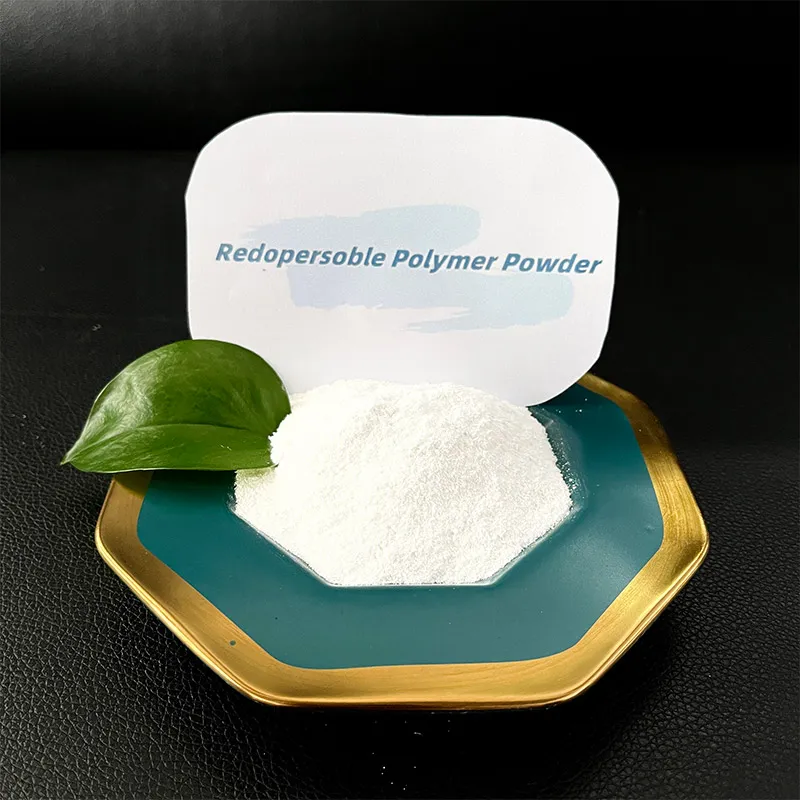
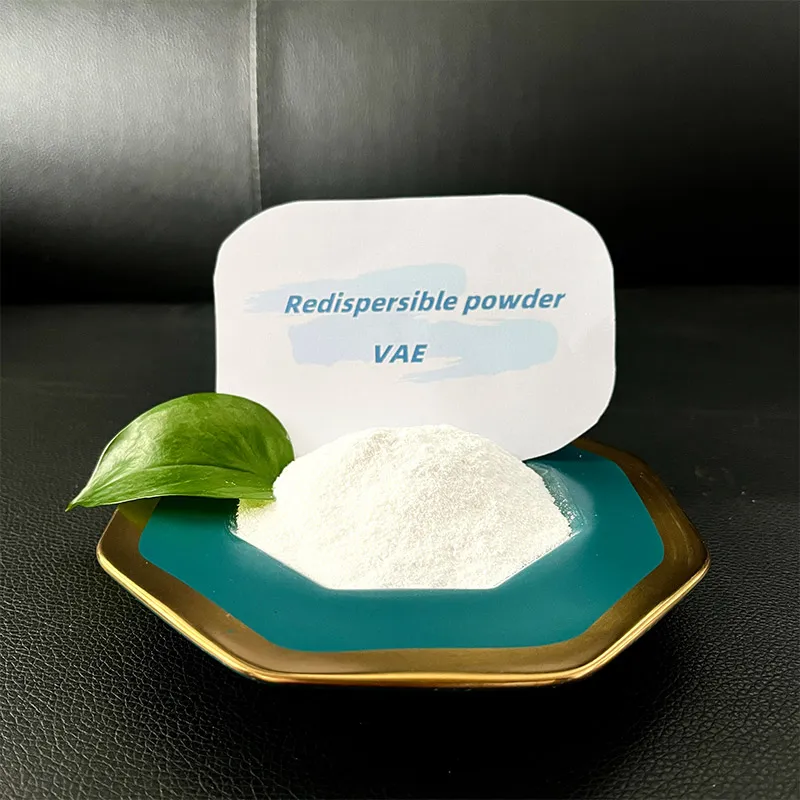
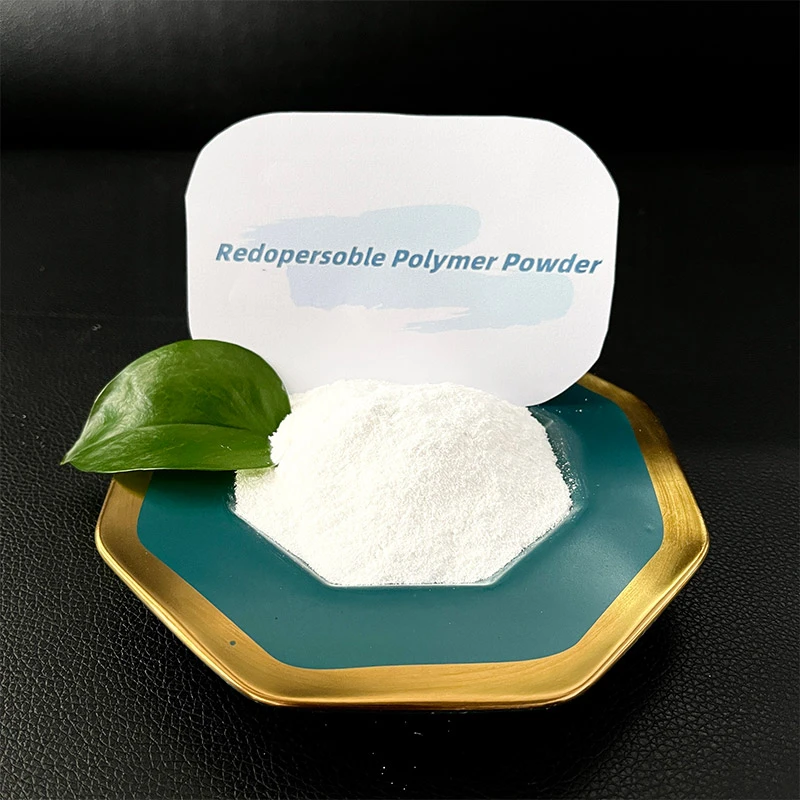



rubber powder uses,rubber powder price,rubber powder,nitrile rubber powder,rubber powder coating,rubber anti tack powder,talc powder for rubber,fine rubber powder,rubber powder production line is a key solution in the manufacturing industry, specifically within Chemical raw material and chemical product manufacturing industry and Synthetic material manufacturing. This article explores how HeBei ShengShi HongBang Cellulose Technology CO.,LTD. supports professionals with durable, high-performance products, and explains why this product is an ideal choice for businesses in these sectors. Table of Contents rubber powder uses,rubber powder price,rubber powder,nitrile rubber powder,rubber powder coating,rubber anti tack powder,talc powder for rubber,fine rubber powder,rubber powder production line Overview Benefits & Use Cases of rubber powder uses,rubber powder price,rubber powder,nitrile rubber powder,rubber powder coating,rubber anti tack powder,talc powder for rubber,fine rubber powder,rubber powder production line in Synthetic material manufacturing Cost, Maintenance & User Experience Sustainability & Market Trends in manufacturing Conclusion on rubber powder uses,rubber powder price,rubber powder,nitrile rubber powder,rubber powder coating,rubber anti tack powder,talc powder for rubber,fine rubber powder,rubber powder production line from HeBei ShengShi HongBang Cellulose Technology CO.,LTD. rubber powder uses,rubber powder price,rubber powder,nitrile rubber powder,rubber powder coating,rubber anti tack powder,talc powder for rubber,fine rubber powder,rubber powder production line Overview In the dynamic landscape of manufacturing, particularly within the Chemical raw material and chemical product manufacturing industry, and extending into Synthetic material manufacturing, the role of high-quality raw materials cannot be overstated. Among these, rubber powder stands out as a versatile and indispensable component. It is not merely a waste product but a finely engineered material derived from various rubber sources, processed meticulously to achieve specific particle sizes and properties. The diverse rubber powder uses span a wide array of applications, enhancing everything from infrastructure to advanced synthetic compounds. HeBei ShengShi HongBang Cellulose Technology CO.,LTD. excels in the production of superior rubber powder , offering a range of grades including specialized fine rubber powder engineered for high-performance applications. Our state-of-the-art rubber powder production line ensures consistent quality, purity, and particle distribution, critical factors for seamless integration into complex formulations. We also provide specific grades like nitrile rubber powder , known for its exceptional oil and fuel resistance, making it ideal for demanding industrial environments. Understanding the nuances of each application, we provide products that meet stringent industry standards, offering a reliable foundation for your manufacturing processes. Benefits & Use Cases of rubber powder uses,rubber powder price,rubber powder,nitrile rubber powder,rubber powder coating,rubber anti tack powder,talc powder for rubber,fine rubber powder,rubber powder production line in Synthetic material manufacturing The applications of rubber powder in Synthetic material manufacturing are extensive and continually evolving. One of the primary rubber powder uses is in modifying polymers and plastics, where it improves impact resistance, flexibility, and sound dampening properties. For instance, incorporating our fine rubber powder into thermoplastic elastomers can significantly enhance their mechanical performance and longevity. Beyond traditional fillers, it serves as a functional additive in sealants, adhesives, and coatings, providing elasticity and durability. HeBei ShengShi HongBang Cellulose Technology CO.,LTD. leverages its expertise to provide tailored rubber powder solutions. Our nitrile rubber powder is particularly sought after for applications requiring high oil and chemical resistance, such as automotive components, industrial hoses, and O-rings. Furthermore, the development of specialized rubber powder coating formulations allows for superior protective and anti-slip surfaces. In the processing of rubber compounds, materials like talc powder for rubber are often used as a rubber anti tack powder , preventing sticking during manufacturing; our quality rubber powder integrates seamlessly, often reducing the need for excessive release agents due to its consistent morphology. Cost, Maintenance & User Experience For B2B decision makers in the Chemical raw material and chemical product manufacturing industry, understanding the total cost of ownership (TCO) and return on investment (ROI) is paramount. While the initial rubber powder price is a factor, the true value lies in its ability to enhance end-product performance, extend lifespan, and potentially reduce overall material costs by partially replacing virgin polymers. Our rubber powder contributes to the durability of manufactured goods, leading to fewer replacements and better customer satisfaction. Feedback from our clients consistently highlights the ease of integration of HeBei ShengShi HongBang's fine rubber powder into various processes. Its consistent particle size and excellent flow properties minimize production downtime and reduce maintenance needs for processing equipment. The superior dispersion of our rubber powder also ensures a uniform end product, which translates to fewer defects and higher yields. Whether it's the specialized nitrile rubber powder for high-stress applications or standard grades for general use, our commitment to quality guarantees a reliable and cost-effective solution, ultimately improving the user experience for our industrial customers. Sustainability & Market Trends in manufacturing The manufacturing industry is increasingly prioritizing sustainability, driven by both consumer demand and evolving regulatory frameworks. In this context, the adoption of rubber powder aligns perfectly with circular economy principles. By utilizing rubber waste and transforming it into a valuable raw material, we contribute significantly to reducing landfill burden and conserving virgin resources. The environmental benefits of expanded rubber powder uses are substantial, making it a key component in eco-conscious manufacturing strategies. HeBei ShengShi HongBang Cellulose Technology CO.,LTD. is at the forefront of this trend, operating an advanced rubber powder production line that adheres to strict environmental standards. Our focus on producing high-quality fine rubber powder and specialized grades like nitrile rubber powder not only meets current market demands but also anticipates future needs for greener, high-performance materials. We believe that a competitive rubber powder price should not come at the expense of environmental responsibility, and our processes reflect this commitment. As industries seek innovative solutions for durability, performance, and environmental stewardship, our rubber powder remains a strategically vital material. Conclusion on rubber powder uses,rubber powder price,rubber powder,nitrile rubber powder,rubber powder coating,rubber anti tack powder,talc powder for rubber,fine rubber powder,rubber powder production line from HeBei ShengShi HongBang Cellulose Technology CO.,LTD. The strategic incorporation of rubber powder offers significant advantages across the manufacturing, Chemical raw material, and Synthetic material industries. Its diverse rubber powder uses , from enhancing material properties with fine rubber powder and nitrile rubber powder to advanced applications like rubber powder coating , make it an indispensable material. HeBei ShengShi HongBang Cellulose Technology CO.,LTD. stands as a trusted partner, delivering consistent quality and value from our advanced rubber powder production line , all while maintaining a competitive rubber powder price . We are committed to supporting your innovation and sustainability goals with our premium products. For inquiries regarding our rubber powder solutions and how they can benefit your operations, please reach out to our team. Contact us: email: 13180486930@163.com Visit our website: https://www.sshbhpmc.com
- 40000tons

Production
- 20+years

Experience
- 5000+㎡

Acreage

-
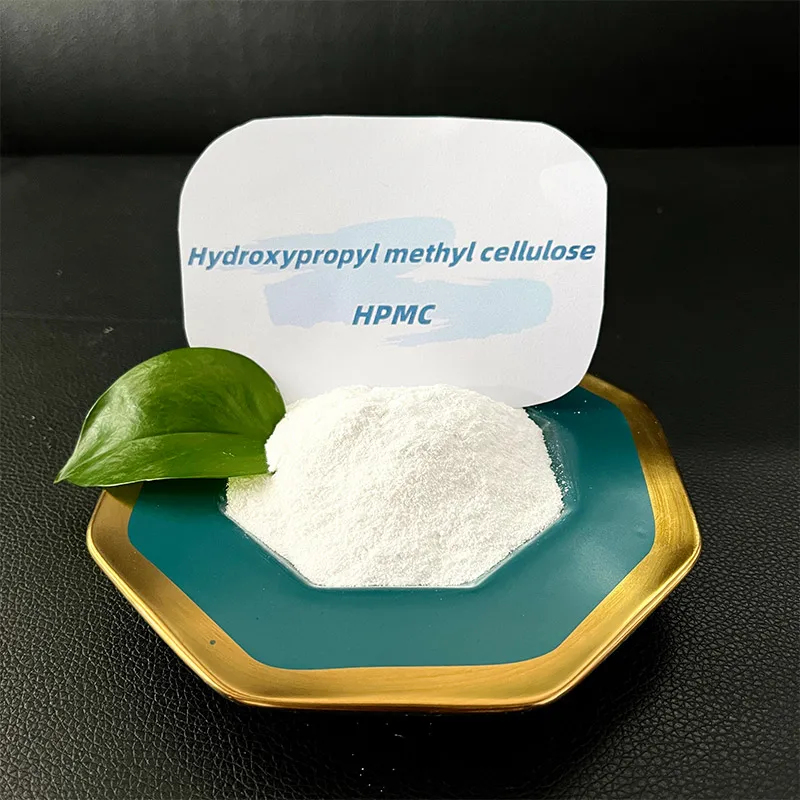
Hydroxypropyl methylcellulose (HPMC) stands as a versatile compound widely utilized across numerous industries, each benefiting from its unique properties. Its application spans from pharmaceuticals and food production to construction and personal care products, underlining its integral role in everyday life. In the pharmaceutical industry, HPMC is renowned for its use as a binder and release agent in tablet formulations. Due to its non-toxic and biodegradable nature, it provides an effective solution for delivering active ingredients in medications. Its property of being a stable agent ensures consistent performance, making it an integral part of many tablet coatings. One personal account from a formulation scientist highlights the element of control HPMC provides, stating, “In our tablet development, HPMC offers the exact disintegration time we aim for, which is crucial for efficacy and patient compliance.” In the realm of food production, HPMC serves as an emulsifier, thickener, and stabilizer, playing a pivotal role in texture improvement and shelf-life extension. The bread and bakery sector especially benefits from HPMC’s water retention capabilities, which enhance freshness and softness of baked products. Expert bakers affirm that its inclusion leads to a more uniform crumb structure in bread, thus ensuring high-quality final products that retain moisture longer without compromising flavor or texture. The construction industry utilizes HPMC as a key component in producing high-performance cement and drywall applications. Its water retention and workability properties improve the performance of cement-based products significantly. A construction material engineer notes, “HPMC in construction mixes leads to better adhesion and workability, reducing waste and increasing longevity of the structure.” This is especially relevant in modern buildings where energy efficiency and building integrity are of utmost importance. hydroxypropyl methyl cellulose uses Personal care products such as shampoos, lotions, and toothpaste also capitalize on the thickening and stabilizing properties of HPMC. Its inert behavior and compatibility with other components make it ideal for delicate skin care formulations. For instance, in hair care products, HPMC helps maintain the desired viscosity for a luxurious application experience, while ensuring product stability over time. Dermatology experts trust HPMC for sensitive skin formulas due to its non-irritant profile, which is essential for hypoallergenic products. In the context of environmental consciousness, HPMC’s biodegradable nature aligns with sustainable practices in manufacturing and product formulations. This attribute makes it an appealing choice for companies aiming to reduce their environmental footprint. Hospitals and medical facilities adopting green practices prefer using HPMC-based disposable medical supplies, as it supports their commitment to environmentally friendly practices. Research and development sectors continually explore HPMC’s potential to formulate new products. Its multifunctional capabilities open avenues for innovation, allowing scientists to develop new materials that could revolutionize existing solutions in various fields. For example, the emerging research into its use in 3D printing materials promises a future where HPMC-based bio-inks could significantly impact medical prosthetics and tissue engineering. In conclusion, hydroxypropyl methylcellulose is not merely a compound but a bridge to innovative solutions across industries . Its non-toxic, biodegradable properties combined with its multifunctional use underscore its importance. For businesses and professionals, understanding and harnessing the applications of HPMC can lead to significant advancements in product design and sustainability. Its extensive use cases and continual presence in cutting-edge research position it as a valuable asset in global industrial practices.
-
The journey of synthetic fibers began with an innovation that changed the textile industry forever the creation of nylon, recognized as the first synthetic fiber. Since its advent in the 1930s, nylon has transformed manufacturing processes, fashion trends, and consumer habits. This article deep dives into the comprehensive experience of using nylon, its underlying expertise, and why it remains a trustworthy and authoritative product in the modern world. Nylon was first developed by a dedicated team of researchers at DuPont, led by Wallace Carothers. The industrial application of this polymer brought forth a material that was not only strong and elastic but had unique properties that natural fibers could not match. Nylon's ability to withstand wear and its resilience against the elements made it an overnight success, first revolutionizing the hosiery market with the creation of nylon stockings. The experience of using nylon as a product began with its adaptability. Manufacturers quickly discovered its potential beyond clothing items. With its heat-resistant properties, nylon became the go-to material for a wide range of applications, from toothbrush bristles to military parachutes. Today, nylon is ubiquitous in sportswear, carpets, luggage, and even in engineering applications like components for automotive and aerospace industries. Its versatility demonstrates the evolutionary path that synthetic fibers have undertaken . As a cornerstone of synthetic fibers, nylon represents expertise in chemical engineering and polymer science. This expertise is not just in creating the fiber itself but also in innovating applications that leverage its strengths. Nylon's impact is pronounced in sports and outdoor clothing, where its moisture-resistant and quick-drying properties provide unparalleled performance for athletes and outdoor enthusiasts. Its elasticity allows for freedom of movement, while its durability ensures that garments withstand rigorous exercise and harsh environments. Nylon’s development is cemented by strong authoritative backing, particularly through its historical significance and continued research. Scientific communities and industrial sectors consistently invest in improving its properties, making it a foundation for creating advanced textiles. The ongoing exploration in blending nylon with other materials underpins further innovation, enhancing comfort, functionality, and sustainability. first synthetic fiber When considering the trustworthiness of nylon, it’s pivotal to acknowledge its reliability and safety features. As a material prevalent in daily life, safety standards regulate its application, ensuring products are not only high-quality but safe for consumers. Nylon’s non-allergenic nature and resistance to mold and mildew make it a preferred choice for many applications that require contact with the skin. Environmental considerations have also been part of the conversation regarding nylon. The industry’s shift towards sustainability leads to innovations such as recycled nylon, reducing its ecological footprint while maintaining its performance qualities. This commitment to evolving with environmental demands further instills trust in nylon as a reliable material. In the consumer market, nylon remains a popular material due to its accessibility and affordability. Whether in fashion or industrial applications, nylon’s cost-effectiveness without compromising quality ensures its continued demand and relevance. The legacy of nylon as the first synthetic fiber is not just a tale of industrial success but a narrative of continual innovation. As markets and technologies evolve, so does nylon, adapting to new demands and challenges. Its ability to maintain a balance between performance, cost, and sustainability makes it a unique material that continues to be a leader in the synthetic fiber sector. Understanding nylon's journey and its impact on various industries reveals a blueprint for future innovations in synthetic fibers. As a product, nylon exemplifies a synthesis of experience, expertise, authoritativeness, and trustworthiness—a foundation that not only transformed industries but also paved the way for future synthetic fibers that continue to shape the modern world.
advantages
-

200000 Viscosities
Excellent product
We can produce pure products up to 200,000 viscosities
-

40000 tons
High yield
We don’t stop production all year round, and the annual output can reach 40,000 tons
-

24 hours
Quality service
We provide 24-hours online reception service, welcome to consult at any time
———— Inquiry Form
Schedule A services


-
 difference_between_hpmc_and_cmc
Oct . 25, 2025
The world of construction and industrial materials is constantly evolving, and the demand for innova -
 hpmc_medical_center
Oct . 25, 2025
Hydroxypropyl Methylcellulose E5, often referred to as HPMC E5, stands as a critical component in th - fiber_polypropen_kwa_ajili_ya_kuuza
Oct . 25, 2025
Different Types of Synthetic Fibers Synthetic fibers have revolutionized the textile industry since


